
Mary Desiree Landicho Gas-4
Leprosy is an infection caused by the slow growing bacterium, Mycobacterium lepraehas. It has a long incubation period – two to three years (range 6 months to 40 years) and symptoms usually start as a numbness or loss of feeling in a defined area of skin – reflecting the affinity of the bacterium for nerve cells.
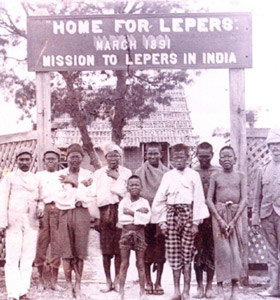
Despite not being very contagious, leprosy has been feared and misunderstood throughout its history. Initially thought to be a curse or a punishment from God, leprosy sufferers were stigmatized, forced to wear special clothing or ring bells to warn others when they were approaching. Symptoms vary from person to person, and tend to progress with time; ranging from mild, indeterminate hypopigmented skin lesions to blindness, deformity and severe facial disfigurement.
Still Prevalent, But Curable With Prolonged Treatment
Leprosy is still prevalent today, but usually goes by the name Hansen’s disease. Globally, nearly 200,000 cases of Hansen’s disease are reported to the World Health Organisation (WHO) every year, and it mainly affects people living in low lying, humid, tropical and subtropical areas near the equator, such as India. About 150-200 new cases occur annually in the U.S., most of which involve immigrants from developing countries. However, in 2015, two people acquired leprosy after contact with a nine-banded armadillo. Approximately 15% of armadillos in southern Texas and Louisiana have been found to harbor the bacteria.
Drug treatment of leprosy is prolonged and complicated and usually involves a combination of antibiotics (such as dapsone, rifampin, and clofazimine) for at least six months, in most cases longer. In some countries, thalidomide – a drug most famous for causing birth defects in the 1950s and 60s – is used to treat complications of leprosy such as erythema nodosum leprosum.
Although leprosy is curable, deformities and nerve damage that occur before treatment begins are often irreversible.
 DEADLY DISEASES
Leave a comment