
Allyssa Manaois Gas-4
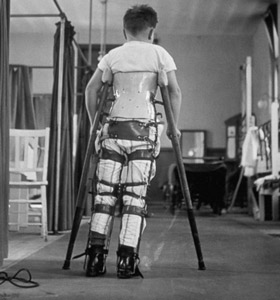
Polio is a crippling infectious disease that is often fatal. Children under the age of five are especially susceptible. Although periodic epidemics occurred during the late 19th century, it was the spike in prevalence that occurred in the 1940s and early 1950s that triggered the start of the worldwide campaign of polio vaccination.
Polio is caused by the very contagious and resilient poliovirus and spreads from person-to-person, most commonly though contact with infected feces. Feces can remain infectious for several weeks, as can food, water, or objects contaminated by feces. Approximately 72% of people who catch polio show no symptoms. Twenty-five percent develop flu-like symptoms (for example, sore throat, fever, tiredness, headache, nausea, abdominal pain) within a week or two after infection. A small proportion of these people will go on to develop more severe symptoms such as paresthesia (burning or prickling limb pain), meningitis (infection of brain and spinal cord), limb weakness, and paralysis that may lead to permanent disability and death if the respiratory muscles are affected.
Polio: Vaccination Is Key To Global Eradication
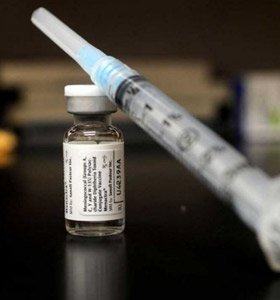
Polio can be prevented through immunization, and since 1988, the World Health Assembly has resolved to eradicate polio worldwide. In just 30 years, the number of polio cases have decreased from an estimated 350,000 in 1988 to just 33 in 2018.
The U.S. has not reported a case of naturally occurring paralytic polio (wild poliovirus) since 1979, when an outbreak occurred among the Amish in several Midwestern states. Over the period spanning 1980 through 1999, 62 confirmed cases of paralytic polio were reported. Eight of these were acquired outside of the U.S. and 154 were vaccine-associated, mostly caused by contact with feces contaminated with the live oral poliovirus vaccine (OPV). OPV is no longer used as a polio vaccine in the U.S., although several overseas countries still use it. The inactivated poliovirus vaccine (IPV) is now the preferred vaccine.
 DEADLY DISEASES
Leave a comment